Editor’s Note: Today’s Guest writer is Alexander Hotz, a multimedia journalist based in New York City. You can follow him on Twitter at @NYCtechnology. By Alexander Hotz Blame it on the holiday season or the industry’s own shortcomings, but last week the American press missed a major announcement concerning what could become the future of […]
Journalism 2.0
Entrepreneurial journalism and what's next for news
 Mark Briggs
  Posted in


Journalism Next
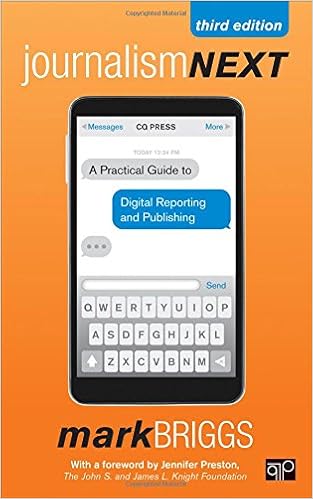
Journalism Next:
Available now at the CQPress website. If interested in a review copy or bulk orders for classrooms, contact CQPress directly. Pre-order now in paperback or on Kindle at Amazon.com.
A Practical Guide to to Digital Reporting and Publishing
Entrepreneurial Journalism

Entrepreneurial Journalism:
Available now (soon on Kindle) at Amazon.com. If interested in a review copy or bulk orders for classrooms, contact CQPress directly.
How to Build What's Next for News
Journalism 2.0
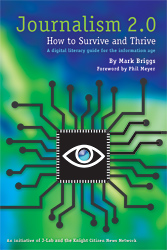
Journalism 2.0:
Published in 2007 and downloaded more than 200,000 times, still available in English, Spanish and Potuguese as a free PDF.
How to Survive and Thrive in the Digital Age